What is Parkinson's Disease?
Parkinson's Disease is a condition affecting the brain.
Symptoms and signs.
Often the first sign of PD is a tremor or shake. Other early symptoms include fatigue, slow or shuffling gait, stiffness or aching in the muscles, frozen shoulder, reduced dexterity, spidery handwriting, and difficulty turning over in bed. Some patients experience constipation, vivid dreams and loss of sense of smell before the more typical symptoms develop. Not all patients will have all these symptoms. For example only 70% of people with Parkinson's have a tremor: everyone is different.
What is actually wrong with the brain?
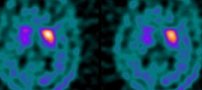
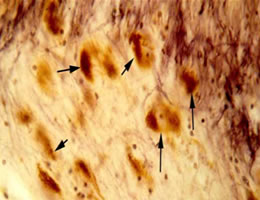
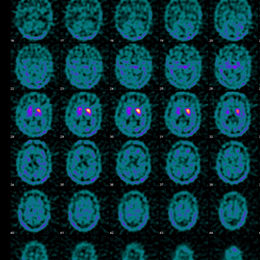
Certain brain cells (neurones) deep inside the brain (in the subtantia nigra) start to degenerate or wear out. These brain cells help to control smooth movement. They make and release a chemical messenger (neurotransmitter) called dopamine that tells other brain cells what to do. A perfect treatment for PD would stop any more brain cells wearing out and fix or replace the damaged ones. Unfortunately such treatments are not available. But the missing dopamine can be replaced: this is the basis for much of the drug treatment for Parkinson's.
What causes Parkinson's Disease?
Parkinson's is not usually hereditary but occasionally it does seem to run in families. Environmental factors such as rural living, exposure to pesticides and drinking well water may increase the risk of Parkinson's. Research suggests that PD has many potential causes. New evidence suggests Parkinson's may begin in the gut and reach the brain via the vagus nerve. In most cases of Parkinson's Disease the cause is probably multifactorial. This means many things acting together have caused the disease. In some cases this will be a combination of genetic and environmental factors.
|